

When you think about a “nose job,” you may think of a purely cosmetic procedure that can slim or reshape the nose. You might also have heard whispers that rhinoplasty leaves obvious scars, that recovery is unbearably painful, or that the results never look natural. These myths, often fueled by outdated procedures or celebrity stories, can make you hesitant about pursuing surgery, even if it could improve both your appearance and breathing.
At Facial Plastic Surgery Miami, Dr. Anthony Bared, M.D., F.A.C.S., has devoted his career to helping patients achieve natural, balanced results. With advanced training in both aesthetic and functional rhinoplasty, as well as extensive experience in complex revision cases, Dr. Bared ensures patients receive outcomes that harmonize with their features and self-perceptions.
In this article, we reveal the truth behind eight of the most common rhinoplasty myths.
Myth 1: Rhinoplasty is only cosmetic
While rhinoplasty is often linked to aesthetic refinement, it can also address medical concerns. Structural problems such as a deviated septum, collapsed valves, turbinate hypertrophy, or prior nasal trauma may restrict airflow, leading to chronic congestion, sinus infections, or snoring. A functional rhinoplasty corrects these anatomical issues, improving breathing and quality of life. By restoring form and function, the procedure goes beyond mere appearance, enhancing overall health, sleep quality, and exercise performance.
Myth 2: Any surgeon can perform a rhinoplasty
Rhinoplasty is one of the most technically demanding procedures in facial plastic surgery. It requires a surgeon who understands nasal anatomy, facial harmony, and the subtle artistry of balance. Not every plastic surgeon has the specialized training or depth of experience needed to consistently deliver natural results. When selecting a surgeon, you should look for board certification in facial plastic surgery or otolaryngology, documented experience specifically in rhinoplasty, and a portfolio of successful outcomes to ensure optimal outcomes.
Myth 3: Rhinoplasty leaves obvious scars
Modern surgical techniques allow rhinoplasty to be performed with little to no visible scarring. In many cases, the incisions are placed inside the nostrils using a closed rhinoplasty approach. For more complex reshaping, an open rhinoplasty requires a small incision along the columella: the strip of skin between the nostrils. In the hands of a skilled surgeon, this incision heals into a fine line that fades over time, often becoming virtually unnoticeable. The result is excellent refinement without the worry of permanent, visible scars.
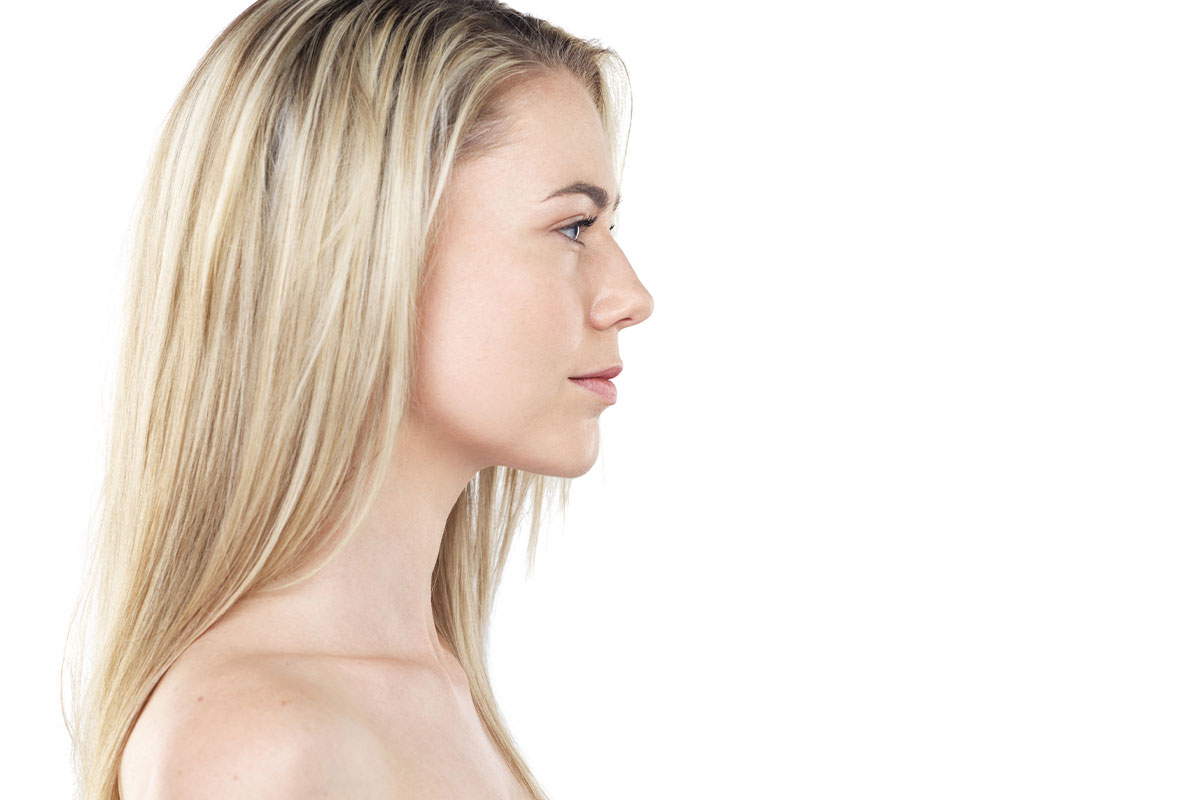
Myth 4: The results will look fake or obvious
The stereotype of the “nose job look” comes from outdated methods and poorly executed procedures. Today, leading surgeons focus on natural enhancement, ensuring the nose blends harmoniously with the rest of your facial features. Dr. Bared emphasizes proportion, light, and subtlety, working with your existing anatomy to refine rather than erase your individuality. A successful rhinoplasty should complement your face so seamlessly that others may not even realize you had surgery, only that you look more balanced and refreshed.
Myth 5: Rhinoplasty is only for young people
Although many patients seek rhinoplasty in their teens or twenties, it is not restricted by age. Individuals in their 40s, 50s, or older may also pursue surgery to address issues such as nasal drooping, cartilage weakening, or long-standing breathing difficulties. As long as you are in good general health, rhinoplasty can be tailored to your unique needs at any age. Dr. Bared designs personalized treatment plans that consider skin elasticity, cartilage support, and overall wellness, making age a factor for planning, and not a barrier to success.
Myth 6: You’ll need to redo rhinoplasty every few years
When performed correctly, rhinoplasty results are long-lasting. The nasal framework established during surgery should remain stable over time, even as soft tissues naturally change with age. While rare cases may require revision due to trauma or unforeseen healing variations, most patients enjoy their surgical results for a lifetime. With his experience in primary and revision rhinoplasty, Dr. Bared ensures optimal structural support is reinforced to minimize the likelihood of needing future corrective procedures or revisions.
Myth 7: Recovery is unbearably painful
While some swelling and congestion are expected after surgery, recovery is far less painful than most people assume. Many patients manage discomfort with non-narcotic medications and are surprised by how quickly they can resume most daily activities. Elevating the head, using cold compresses, and following post-operative instructions all help reduce swelling and promote healing. Within a week, many patients can even return to work or school, with gradual improvements in appearance and breathing over the following months.
Myth 8: Non-surgical rhinoplasty produces the same results
Injectable fillers can temporarily improve certain concerns, such as camouflaging a nasal hump or slightly lifting the tip. However, non-surgical rhinoplasty cannot reduce the size of the nose, correct breathing issues, or provide structural changes. Furthermore, the results typically last 6 to 18 months, and repeat treatments are required to maintain the effect. For those seeking lasting improvements, surgical rhinoplasty is the only way.
Dr. Anthony Bared is a double board-certified facial plastic surgeon with extensive experience in cosmetic and functional rhinoplasty, as well as complex revision cases. His advanced training and commitment to natural, balanced outcomes make him the ideal surgeon for your nose job. With his guidance, you can expect results that not only enhance your appearance but also improve function and overall quality of life. Schedule your consultation with Dr. Bared today.
