

You may feel eager to correct your results after a nose job, but revision rhinoplasty is not something you should rush. In most cases, you need to wait 12 months before considering a second procedure. This allows your nose to fully heal and reveal its final shape.
Working with a rhinoplasty specialist like Dr. Anthony Bared, a double-board-certified facial plastic and reconstructive surgeon in Miami, ensures your timeline is carefully evaluated, and your revision is planned to achieve the safest, most effective outcome.
How Long Should You Wait for a Revision Rhinoplasty?
The general rule is to wait at least one full year after your initial rhinoplasty before undergoing a revision. While that may feel like a long time, it is essential for achieving a successful result. This waiting period is necessary for several important reasons, including your body’s healing, swelling resolution, and nasal structures stabilizing over time.

Complete healing of internal structures
Your nose is made up of cartilage, bone, and soft tissue that undergo significant changes after surgery. Even when the surface appears healed, deeper structures are recovering. Operating too early can disrupt this and increase the risk of complications or poor outcomes.
Swelling must fully resolve
Swelling, especially in the nasal tip, can last many months. What may look like an imperfection early on could simply be residual swelling. Waiting allows you and your surgeon to evaluate the true final result before deciding on further correction.
Tissue stabilization is critical
After rhinoplasty, the internal framework of your nose gradually settles into its new position. This stabilization is essential for planning a precise revision. If surgery is performed too soon, shifting tissues can compromise the accuracy and longevity of the results.
Scar tissue needs to mature
Scar tissue forms as part of the healing process and continues to evolve gradually over time. Early intervention can worsen scarring or make revision more technically challenging. Allowing scars to soften and mature improves surgical conditions and outcomes.
Factors That Affect the Revision Rhinoplasty Timeline
While the one-year guideline applies to most patients, your personal timeline for a revision rhinoplasty may vary depending on several factors:
Skin thickness: Thicker skin tends to hold swelling longer, which can delay how quickly your final results appear. Patients with thicker skin may need additional time before a revision can be properly assessed and performed.
Complexity of the initial surgery: If your first rhinoplasty involved significant structural changes, your nose may take longer to heal. More complex procedures typically require a longer stabilization period before considering revision.
Healing response and scar formation: Every patient heals differently. Some develop more scar tissue or experience prolonged swelling, which can extend the waiting period. Your body’s natural healing response plays a major role in timing.
Functional vs. cosmetic concerns: If you are experiencing breathing issues or structural issues, your surgeon may evaluate your case differently than if your concerns are purely cosmetic. Functional concerns sometimes require earlier assessment.
Do You Even Need Revision Rhinoplasty?
Before committing to another surgery, it is important to determine whether revision rhinoplasty is truly necessary. Many concerns improve on their own as healing progresses. You should consider a professional evaluation if you notice any of the following:
- Persistent nasal obstruction or difficulty breathing
- Visible asymmetry after swelling has resolved
- Collapse or weakness in the nasal structure
- Over-resection leading to a pinched or unnatural look
- Dissatisfaction with the final shape after full healing
- Ongoing congestion or internal blockage
Revision rhinoplasty requires patience and expert planning. Waiting at least 12 months gives your nose the time it needs to heal, stabilize, and reveal its true outcome. With the guidance of Dr. Anthony Bared, our double board-certified facial plastic and reconstructive surgeon, you can confidently determine the right timing and approach for your revision, ensuring your second procedure delivers the refined, functional, and natural-looking results you are seeking. Contact us today to schedule your consultation.
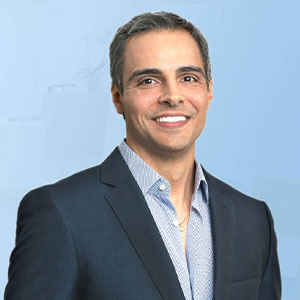
Written by: Dr. Anthony Bared
Double Board Certified Plastic Surgeon, Facial Plastic Surgery Miami
About Dr. Bared
