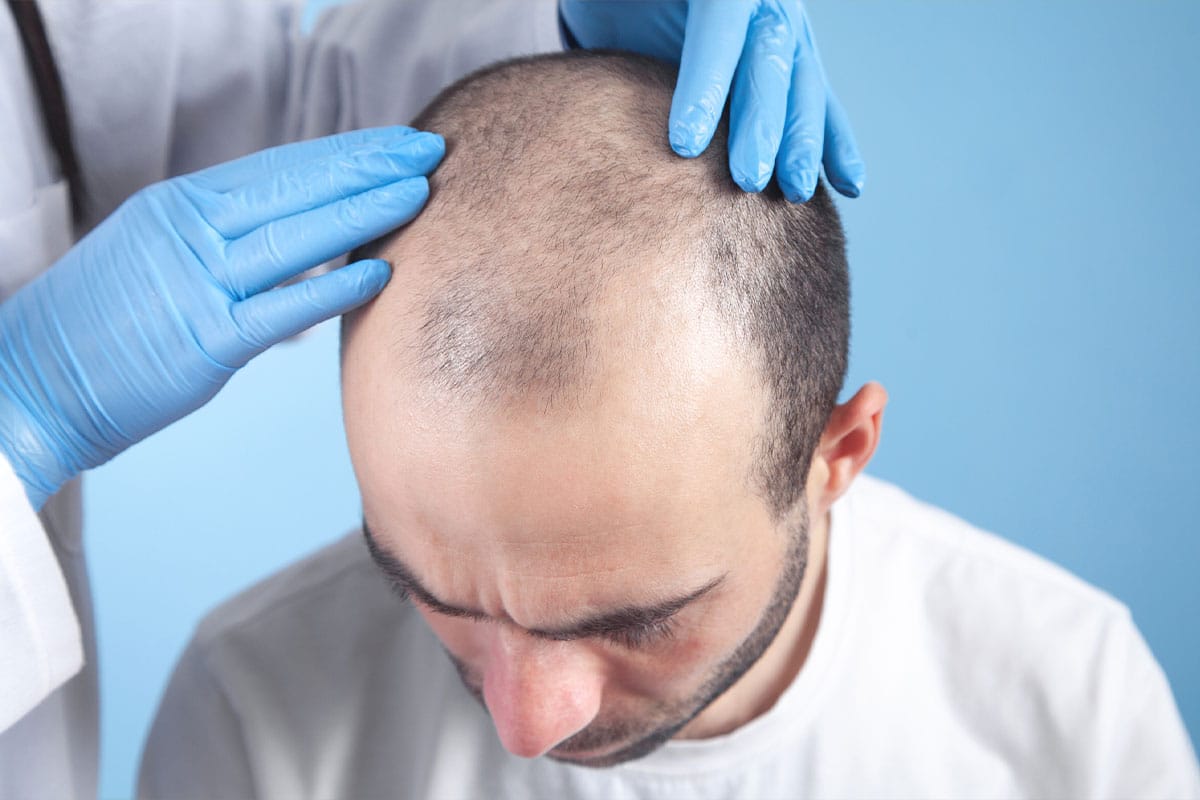
Hair loss can begin at many different stages of life, and you may wonder whether there is an “ideal” age for a hair transplant. In reality, the best timing depends on factors like how your hair loss is progressing and your long-term goals. Dr. Anthony Bared, double-board-certified facial plastic and reconstructive surgeon in Miami, helps patients determine when hair transplant surgery may be appropriate and develops personalized plans to achieve natural, lasting results.
What is the Ideal Age for a Hair Transplant?
There is no universal ideal age for hair transplant surgery. Instead, the best time depends on the stability of your hair loss, the quality of your donor hair, and your goals. Some may benefit from treatment earlier, while others achieve better outcomes by waiting until hair loss has stabilized. Understanding how hair transplantation fits into different stages of life can help you determine when the procedure might make the most sense for you.
Early Adulthood (Ages 18-25)
Hair loss can begin surprisingly early for some individuals. In your late teens or early twenties, you may notice a receding hairline or thinning at the crown. While a hair transplant is technically possible at this age, surgeons often proceed cautiously.
At this stage, your hair loss pattern may not yet be fully established. Performing a transplant too early could lead to additional hair thinning around the transplanted area later on. In many cases, hair restoration specialists like Dr. Bared recommend monitoring the progression of hair loss or considering non-surgical treatments first while developing a long-term restoration strategy.
Late Twenties to Early Thirties
For many people, the late twenties or early thirties represent a more favorable time to consider hair transplantation. By this age, your hair loss pattern is often becoming clearer, which allows a surgeon to design a hairline that will remain natural as you age.
Donor hair is typically still plentiful, making it easier to achieve density. However, careful planning is still essential, particularly if hair loss continues to progress. A skilled surgeon will design a conservative hairline that looks appropriate not just today, but years into the future.
Mid-Thirties to Forties
Many individuals become excellent candidates for hair transplantation during their mid-thirties and forties. By this point, hair loss patterns are usually well-defined and relatively stable, making surgical planning more predictable.
Because the extent of thinning is clearer, surgeons can strategically distribute grafts to restore density while preserving donor hair for the future. Patients in this age group often pursue hair restoration to improve appearance, confidence, and facial balance.
Fifties and Beyond
A hair transplant can still be highly effective in your fifties and beyond. In fact, many individuals in this group are strong candidates because their hair loss pattern is typically fully established.
If you are considering hair restoration later in life, overall health becomes an important factor. Provided you are in good health and have sufficient donor hair, hair transplantation can still produce natural-looking improvements and enhance confidence.
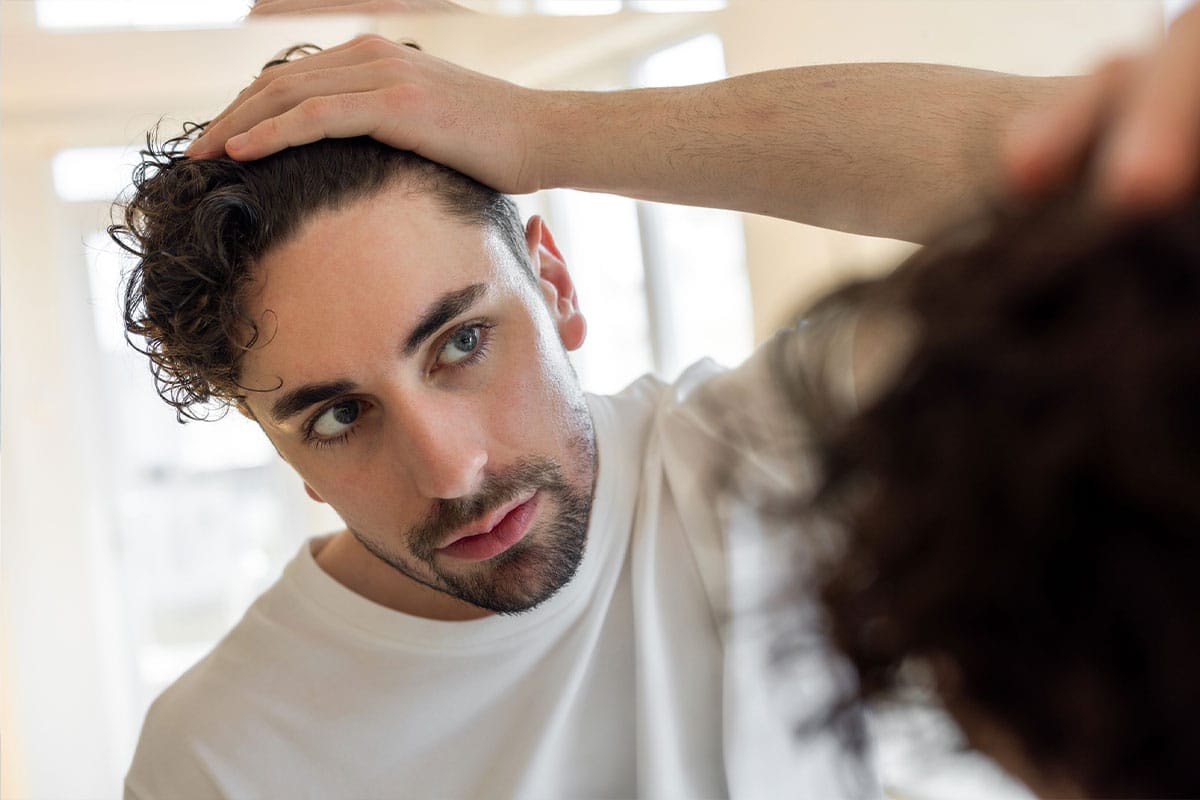
Factors That Determine Your Candidacy for a Hair Transplant
Age alone does not determine whether you are a good candidate for hair transplant surgery. Several medical and aesthetic factors must be evaluated during your consultation.
Extent of Hair Loss
The amount of hair loss you have experienced plays a role in planning treatment. Patients with larger areas of hair thinning may require more grafts or multiple procedures to achieve the desired result. A thorough evaluation helps determine how many follicles are needed.
Stability of Hair Loss
Active hair loss can affect your results. If the surrounding hair continues to thin after surgery, the contrast between transplanted and native hair may become more noticeable. Surgeons often recommend ensuring that hair loss has stabilized before proceeding with surgery.
Quality of Donor Hair
Hair transplantation relies on follicles harvested from donor areas that are resistant to hair loss. The density, thickness, and health of these donor follicles influence the outcome of the procedure. Strong donor hair allows for better coverage and more natural results.
Personal goals and expectations
Every patient has different goals when it comes to hair restoration. Some want to restore a youthful hairline, while others wish to increase density in thinning areas. Clear communication about expectations helps ensure the surgical plan aligns with your aesthetic vision.
While many people ask whether there is an ideal age for a hair transplant, the answer ultimately depends on your individual hair loss pattern, donor hair quality, and long-term goals. A careful evaluation is essential to determine the right timing and approach.
Dr. Anthony Bared, our double board-certified facial plastic and reconstructive surgeon and hair restoration expert, works closely with each patient to assess their candidacy and develop a customized hair restoration plan to produce natural, balanced results. Schedule your consultation to determine if you’re a good candidate for hair transplantation.