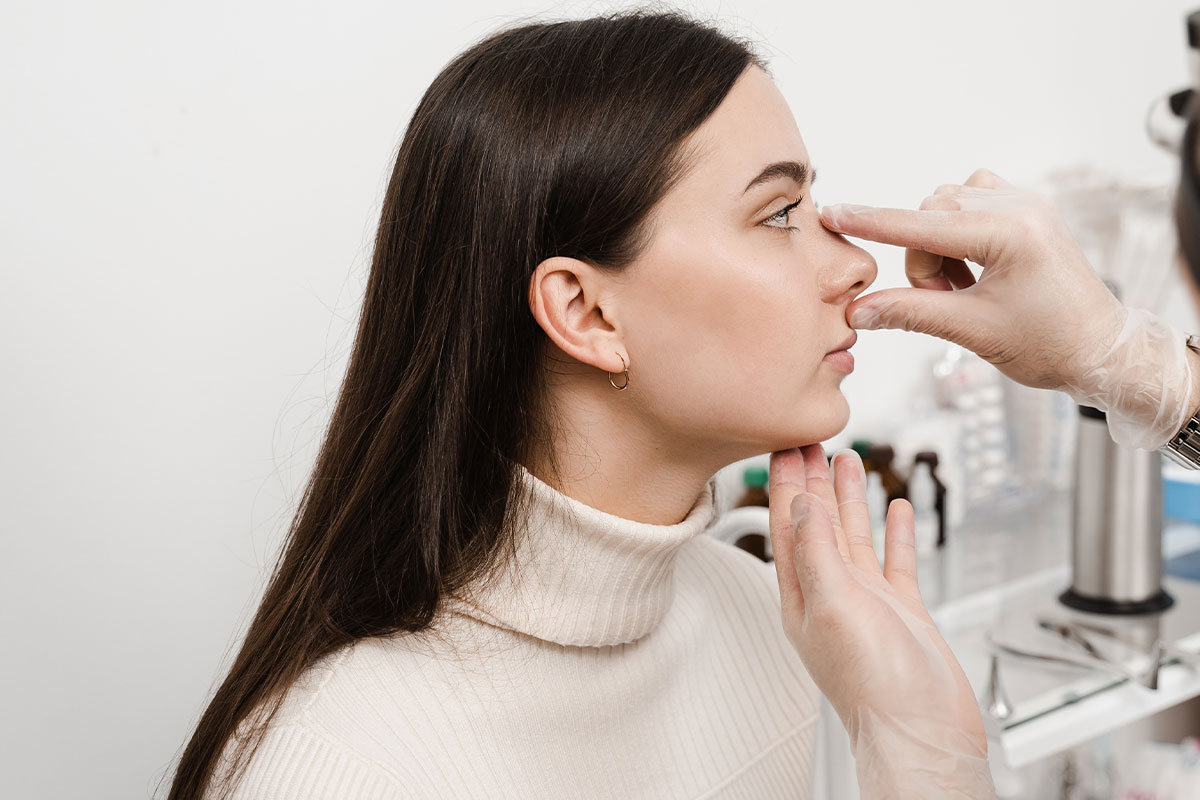
Preparing for rhinoplasty is just as important as the surgery itself. Because your nose sits at the center of your face, even subtle changes can significantly enhance balance. Asking the right questions before committing to surgery helps you understand the process, clarify expectations, and feel fully informed about your surgeon’s expertise and approach.
Your consultation is the best time to gather information, understand risks and benefits, and evaluate whether your surgeon is the right fit for your goals. Dr. Anthony Bared, our double board-certified facial plastic surgeon at Facial Plastic Surgery Miami, encourages every prospective rhinoplasty patient to take an active role in preparing for surgery by asking thoughtful, detailed questions. Below are 10 essential questions to help you make the most informed decision possible.
Is My Surgeon Board-certified?
Board certification is one of the most important indicators of a surgeon’s training, skill, and commitment to safety. During your consultation, ask which boards your surgeon is certified by and whether they specialize specifically in facial plastic surgery. Rhinoplasty is one of the most technically demanding procedures, so choosing someone with advanced, focused training, especially in the anatomy of the face, nose, and airway, ensures optimal results.
How Much Experience Do You Have With Rhinoplasty?
The complexity of rhinoplasty requires a high level of expertise. Ask how many rhinoplasties your surgeon performs yearly, whether they specialize in primary, revision, or ethnic rhinoplasty, and what types of cases they see often. You want someone who understands both aesthetics and nasal function. A surgeon with extensive, ongoing experience is better equipped to handle challenging anatomy, thick skin, asymmetries, and functional airway concerns.
Can I See Before-and-After Photos of Your Patients?
Reviewing before-and-after images helps you assess the surgeon’s aesthetic philosophy and the quality of their work. Look for patients whose “before” photos resemble your nasal structure: similar bridge height, tip projection, skin thickness, or ethnic features. This helps you evaluate the surgeon’s ability to achieve balanced results. Carefully reviewing these images also helps you refine your goals and better communicate your expectations during your consultation.
Am I a Good Candidate for Rhinoplasty?
Your surgeon should evaluate your health history, nasal structure, skin type, and aesthetic goals to determine whether rhinoplasty is the right option for you. Some patients may be better suited to surgical reshaping, while others may benefit from temporary non-surgical solutions. You and your surgeon should discuss your functional concerns, breathing patterns, and the specific aspects of your nose you’d like to improve before curating a tailored plan.
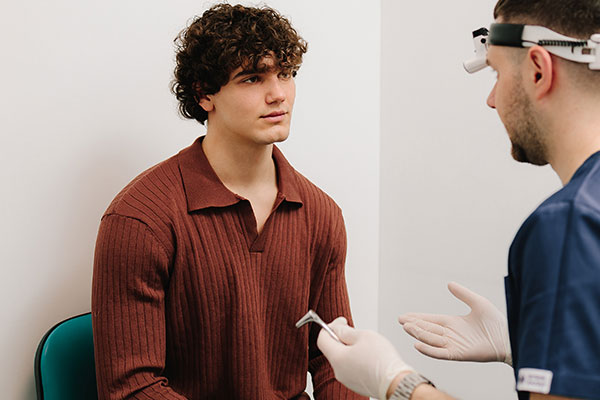
Do You Use an Open or Closed Rhinoplasty Approach?
Rhinoplasty can be performed using an open or closed technique. Ask your surgeon which approach they recommend for your goals and why. An open approach may provide enhanced visibility and precision for complex reshaping, while a closed approach may be preferable for certain structural changes or minimal adjustments. Understanding the rationale behind the chosen technique helps you see how your procedure will be performed.
What is Your Revision Rate, and How Do You Handle Revisions?
No surgeon has a zero revision rate because healing and tissue behavior vary from patient to patient. Ask about the surgeon’s revision rate, as well as how they evaluate whether a revision is necessary. It’s equally important to understand their revision policy, typical timelines, and what factors may influence the need for additional refinement. This transparency demonstrates honesty, surgical expertise, and a commitment to long-term patient satisfaction.
What Will My Recovery Timeline Look Like?
Rhinoplasty recovery varies from person to person, depending on the complexity of the procedure and individual healing. However, your surgeon should provide clear expectations about downtime, swelling, bruising, and when you can return to work, exercise, and social activities. Having a realistic understanding of each stage of recovery helps you plan accordingly and reduces stress as you heal.
What Can I Do to Ensure the Best Possible Outcome?
A successful rhinoplasty depends on both the surgeon’s skill and your adherence to pre- and post-operative instructions. Ask your surgeon about medications to avoid, lifestyle restrictions, and how to care for your nose during recovery. Avoiding strenuous activities, sleeping with your head elevated, protecting your nose from injury, and following cleaning instructions all play a critical role in optimal healing and long-term results.
Do You Offer Digital Imaging or Simulation During the Consultation?
Imaging software can illustrate potential outcomes and serve as a powerful communication tool between you and your surgeon. While simulated results are not guaranteed, they help clarify what changes are realistic based on your anatomy. They also help you fine-tune your preferences and align your goals with what your surgeon can safely achieve.
Are My Goals Achievable and Realistic?
One of the most important conversations you’ll have is about expectations. Every nose has structural limitations, and certain changes may not be possible without compromising function. Your surgeon should guide you honestly, explain what is achievable, and recommend changes that enhance overall balance. Clear communication ensures satisfaction and long-lasting harmony with your facial features.
Asking thoughtful, informed questions is one of the best ways to prepare for rhinoplasty and ensure you’re choosing the right surgeon. With extensive experience, Dr. Bared encourages all patients to approach consultation with curiosity. By understanding the process, setting realistic expectations, and actively participating in your care, you set the foundation for results that feel beautifully natural. Contact us today to schedule your consultation.