
A hair transplant moves healthy follicles from a donor area to thinning or bald areas of your scalp. Although the grafts are placed carefully, they need time to establish themselves. Your habits during this early healing period can influence your comfort and final outcome.
Miami’s strong sun, heat, and humidity make thoughtful aftercare especially important. Dr. Anthony Bared, our double board-certified facial plastic surgeon and hair restoration specialist, guides you through each stage of recovery to ensure optimal results. In this article, we offer a general overview of aftercare guidelines, but you should always follow your hair transplant surgeon’s personalized instructions as recovery timelines vary by procedure.
Sleep on your back with your head elevated
For the first several nights after your hair transplant, sleep on your back with your head raised. You can use multiple pillows, a wedge pillow, or a recliner. Elevation may help minimize swelling, while sleeping on your back reduces the risk of rubbing newly placed grafts against your bedding. Avoid sleeping on your stomach or on a side that places pressure on the recipient or donor area.
A travel neck pillow may help keep your head stable while you sleep. Use clean pillowcases and consider placing a clean towel over your pillow in case of minor drainage during the first night. Do not scratch the scalp if it feels itchy. Picking, rubbing, or pressing the area may disturb healing grafts or remove scabs prematurely.
Return to exercise gradually
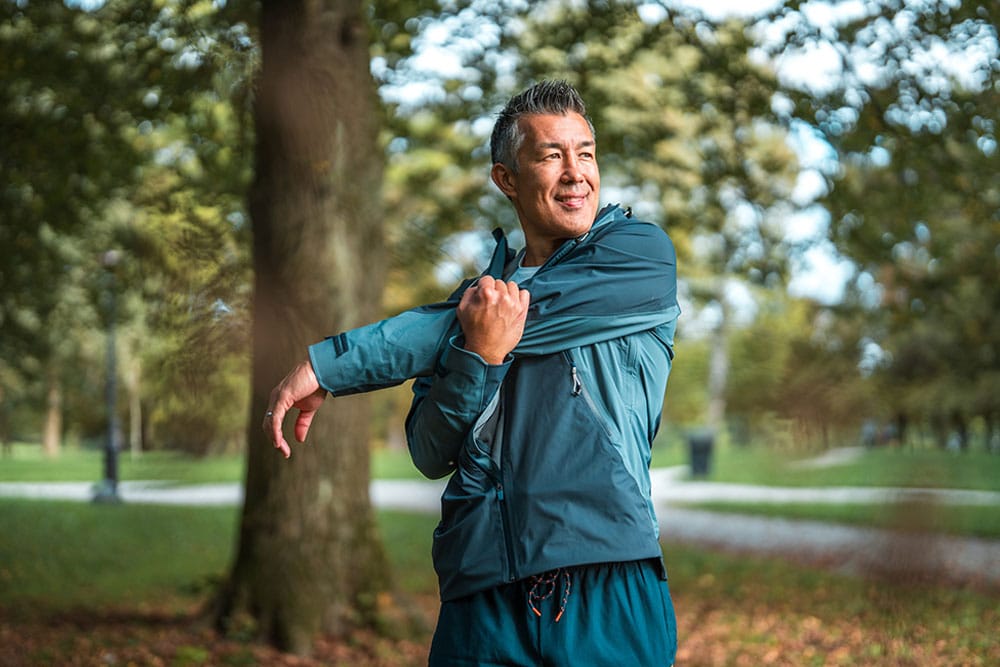
Rest during the earliest stage of recovery. Exercise raises your blood pressure and body temperature, while sweating may irritate the healing scalp. Certain movements also increase your risk of accidentally striking or rubbing the treated area. Gentle walking may be permitted relatively early, but avoid strenuous physical activity until Dr. Bared clears you.
You should generally avoid the following exercises:
- Running and high-intensity interval training
- Heavy lifting or bodybuilding
- Cycling
- Hot yoga
- Contact sports
- Activities requiring a helmet or tight headwear
When you return to exercise, begin below your usual intensity and increase gradually. Stop and contact the practice if you notice new bleeding, throbbing, or increased swelling. You must also avoid pools because they contain chlorine. Avoid pools, beaches, hot tubs, saunas, and steam rooms until the donor and recipient areas have healed and Dr. Bared approves your return.
Protect your scalp from Miami sun and heat
Freshly treated scalp tissue is particularly sensitive to ultraviolet radiation. Direct sunlight may increase irritation, prolong redness, and contribute to unwanted pigmentation. Miami’s strong year-round UV levels make protection especially important. Limit sun exposure during early recovery. Stay indoors or seek shade during peak daylight hours whenever possible. Plan necessary outdoor trips carefully so your scalp is not left exposed for an extended period.
Do not immediately place a tight baseball cap or fitted hat over the grafts. Friction and pressure could disturb the recipient area. Ask Dr. Bared when you can begin wearing a loose, breathable hat and which style is appropriate. Once the scalp has healed enough for topical products, Dr. Bared may recommend broad-spectrum sunscreen. Do not apply sunscreen directly to fresh grafts unless you have received specific instructions to do so.
Follow these additional hair transplant recovery tips:
- Wash your scalp only according to the schedule and technique provided by Dr. Bared
- Use lukewarm water and avoid strong water pressure on newly placed grafts
- Allow scabs to loosen and fall away naturally without picking them
- Take prescribed medications exactly as directed
- Avoid tight hats, helmets, and other items that rub against the recipient area
- Wear loose or button-front clothing that does not need to be pulled over your head
- Avoid smoking and alcohol for the period recommended by Dr. Bared
- Attend every scheduled follow-up appointment
New hair growth commonly begins around three to four months after surgery, with density continuing to develop over approximately nine to 12 months. Healing well during the first few weeks helps provide a supportive foundation for that gradual progress.
Dr. Anthony Bared is double board-certified in facial plastic and reconstructive surgery and otolaryngology–head and neck surgery. At Facial Plastic Surgery Miami, he uses advanced FUE-based hair transplant techniques and individualized hairline planning to create natural-looking restoration. Schedule a consultation with Dr. Bared to discuss your hair-loss pattern and recovery timeline.