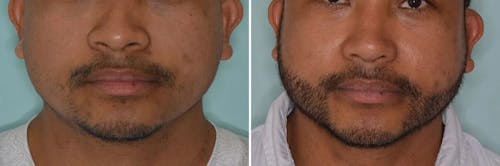
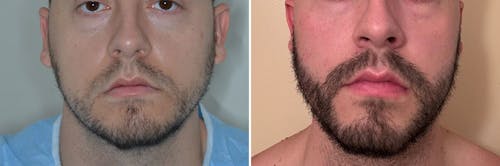
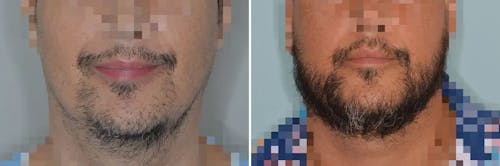
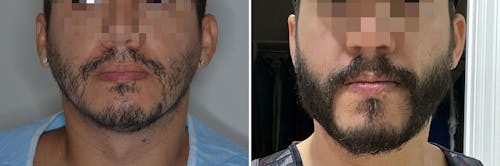
Experience Beard Benefits With Proven Transplants

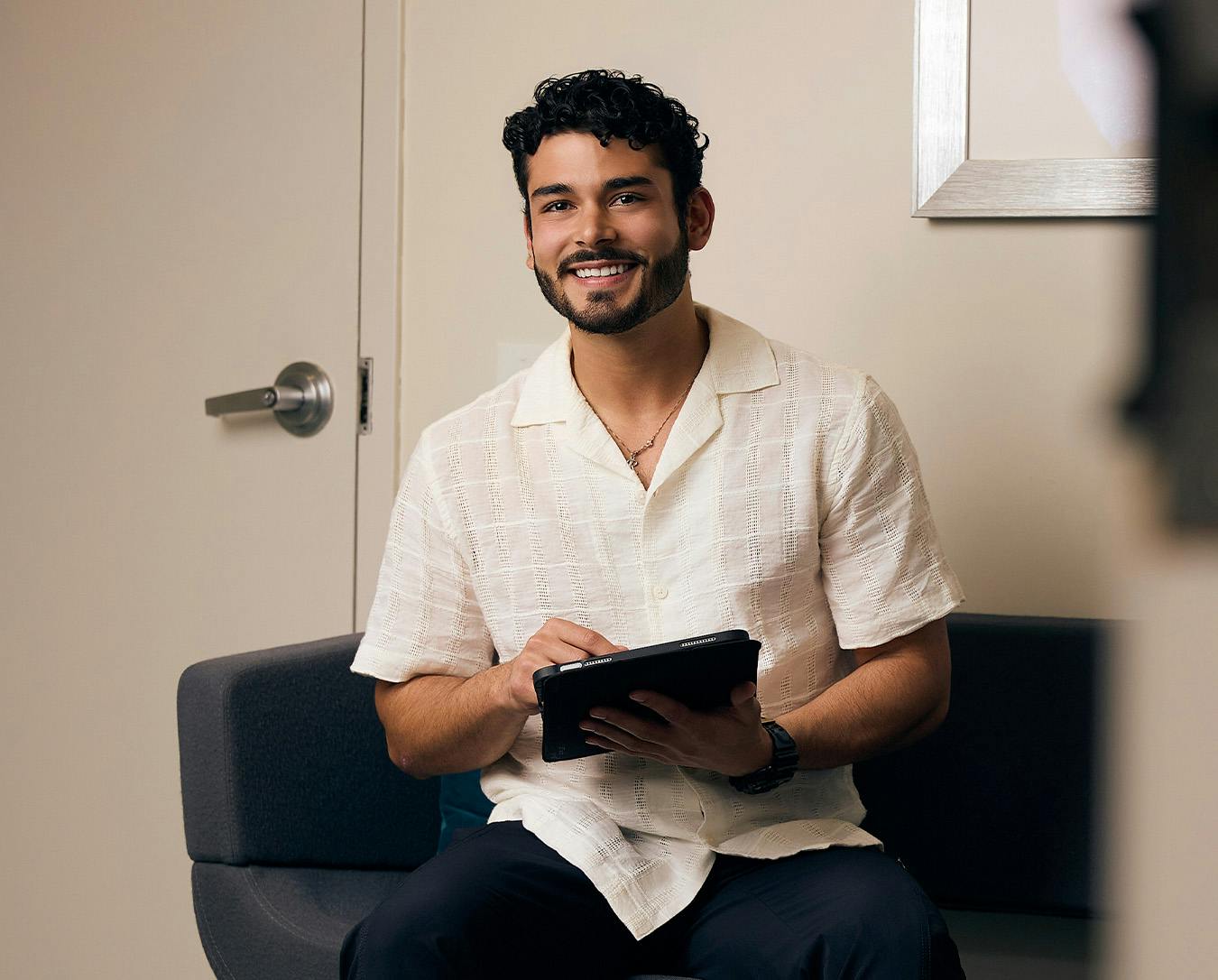
Every man deserves the confidence that comes with a full, commanding beard. For those who struggle due to genetics or other factors, beard transplants in Miami promise a natural and lasting solution. It’s not just about aesthetics; it’s about restoring self-assuredness.

Natural Growth

Experience authentic, organic beard growth that seamlessly blends with your existing facial hair.

Permanent Results

Forget temporary fixes; invest in a beard that’s here to stay and won’t fade over time.

Customized Appearance

Tailor the beard to your desired thickness and style, ensuring it complements your unique face structure.

Facial Hair Transplantation

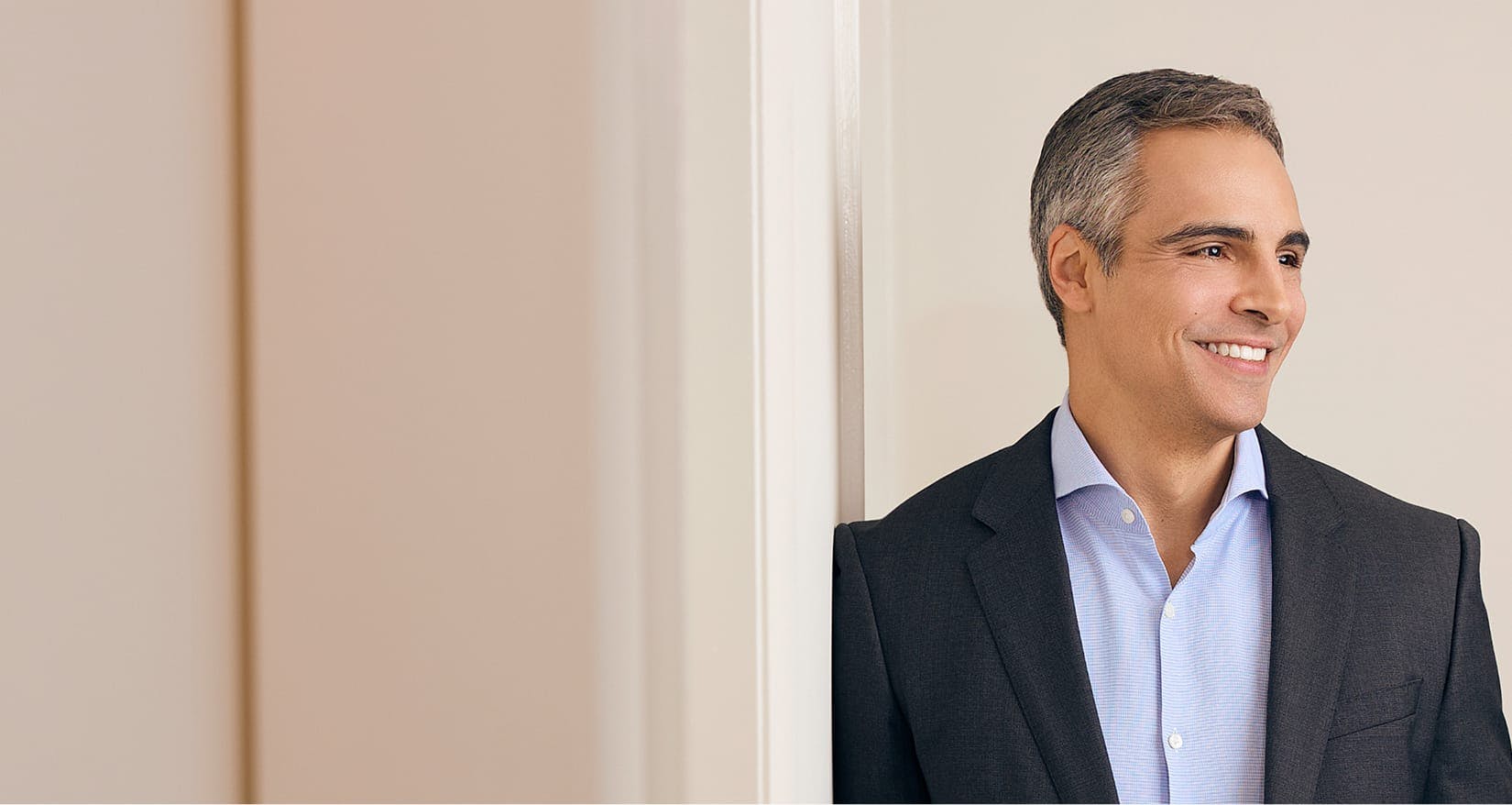
Beard transplants are performed just like hair transplants for the scalp and use the same donor areas used in hair transplants. Miami Beach plastic surgeon Dr. Bared offers natural-looking beard transplants to men in South Florida who want to grow a masculine-looking beard but cannot do so naturally. Dr. Bared specializes in hair restoration procedures such as beard hair transplants and is a recognized provider of the Foundation Aesthetic Hair Restoration Method. Facial hair restoration is a specialty within hair transplantation, not performed by many plastic surgeons.

Dr. Bared is a pioneer in the field and has helped patients from all backgrounds achieve their facial hair goals using the advanced techniques of the Foundation method. Hair transplants offer lasting results, ensuring you enjoy a dense mane for years to come. Always consult with your doctor about how to maintain your results. Dr. Bared’s background as a facial plastic surgeon affords him the artistic capabilities to produce natural and virtually undetectable results in facial hair restoration.


Banner media

Professional Affiliations & Contributions

flower accent
doctor

Dear Dr. Bared & Team,
Thank you for your excellent care throughout the entire surgery and healing process. You all are awesome! I’m so excited about the results.

—Real Patient

What Is a Beard Transplant?

A beard transplant is an elective cosmetic surgery that involves taking follicular units (the root of each strand) from another part of the patient’s body and transferring them to the desired location. It is performed for aesthetic reasons, usually by men who want a full beard but are not able to achieve it naturally.

Harvesting Donor Hair

Like other hair transplant treatments, a beard hair transplant process has many steps. The first step is for the surgeon to harvest hair from a donor area of the body. The back and sides of the scalp are common harvest locations.

Since there’s a major risk that the immune system will reject hair from another person, you need to use facial hair implants from your own body during a beard transplant. Plus, hair from your own body will be the best match and look very natural. If you don’t have enough hair on the sides or back of your scalp, your surgeon might recommend harvesting hair follicles from another area of the body.

Beard Transplant Techniques

During beard implants, the hair specialist will typically use one of two procedures: follicular unit extraction (FUE) or follicular unit transplantation (FUT). Each surgical technique has its benefits and drawbacks. Your surgeon will review each method with you and let you know which one they recommend based on your goals and hair needs.

The results from a facial hair transplant are permanent. Once the hair begins growing in, you’re free to style your new beard however you want. That also means you can shave it off entirely should you decide you want to be clean-shaven and smooth-faced from time to time.

Placing the Hair Grafts

The second part of a facial hair transplant involves the surgeon implanting the donor hair onto the face. The exact location of the transplant depends on your goals. If you have some facial hair already, you might just want to fill in patches. People with little to no existing facial hair may want to add hair to their cheeks, upper lip, and chin.

Background media

Schedule A Consultation

Contact us media

Why Choose a Beard Transplant?

A beard transplant can enhance a man’s facial hair, thicken his existing beard, or fill in bald patches. It will leave patients with a natural and permanent look that fits in well with the texture and pattern of their natural hair in other areas of their face. Men with no facial hair at all (including FTM transgender patients) will be able to get a beard that suits their unique preferences.

After undergoing a beard transplant, men often feel more masculine and confident. Since every man has different aesthetic goals, Dr. Bared creates customized procedures for each patient. He can transplant hair to create a full beard, mustache, goatee, or sideburns, or fill in patchy beard areas using a patient’s donor hair.

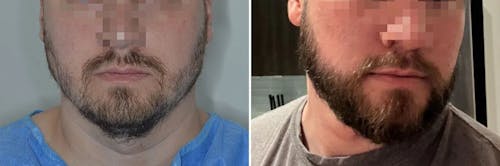
Beard Transplant Before & After

Achieve a Fuller Beard: Expert Beard Hair Transplants | Dr. Anthony Bared, MD, FACS | Miami, FL

video thumbnail

Facial Hair Restoration Techniques

Hair restoration for facial hair involves two primary techniques, each characterized by its unique method of harvesting donor hair and the resulting scarring. These techniques provide effective solutions for those looking to enhance their facial hair without relying on temporary measures like shaving or waxing, or for those seeking alternatives to surgical risks.

Follicular Unit Transplantation (FUT)

This technique involves removing a strip of hair and skin from a donor area, which is typically the sides or back of the scalp or another part of the body with sufficient hair growth. The main characteristic of FUT is the linear scar left at the donor site, which is a result of the strip removal.

Follicular Unit Extraction (FUE)

FUE involves the individual harvesting of hair follicles using a specialized punch tool. This method is known for leaving multiple small, dot-like scars in the donor area, as each follicle is extracted separately.

Both FUT and FUE are widely used in beard transplantation, offering distinct approaches to achieve fuller and more natural-looking facial hair.

Background media

Facial Hair Restoration Medications

Among the options for non-surgical hair restoration, Minoxidil, commonly known as Rogaine, stands out. Initially developed for treating high blood pressure, Minoxidil was later discovered to promote hair growth. It’s now available over the counter in various concentrations, primarily used by individuals with a long history of hair loss.

Minoxidil for Beard Growth

  • Minoxidil is applied topically to areas of thinning hair. Its continued use can help promote fuller, thicker hair.
  • However, its effectiveness for facial hair growth is uncertain, as it hasn’t been FDA-approved for use on the face.

For enhancing facial hair, such as beards or mustaches, a hair transplant is often a more reliable solution. Nonetheless, the choice of treatment should be based on personal preference and a discussion with a healthcare professional to determine the best option for each individual’s situation.

Background media

Candidates for Beard Transplants

Ideal candidates for a beard transplant want to enhance facial hair density and have enough healthy donor hair available for transplantation. During your consultation, Dr. Bared will evaluate your goals, overall health, and expectations to determine whether the procedure is right for you.


Ethnic Patients

Several factors influence the amount and pattern of facial hair growth, with ethnicity being a significant determinant. Here’s how various ethnic backgrounds can impact facial hair characteristics:

The pattern of hair growth and the texture and thickness of hair vary greatly due to a person’s ethnicity. These differences are important considerations in beard transplants for ethnic patients. For individuals seeking to improve their looks or enhance their career prospects through a beard transplant, understanding these ethnic variations is crucial. A consultation specifically tailored to ethnic patients can provide detailed insights and guidance on how to achieve the best results based on your unique ethnic characteristics.

Mediterranean Men

  • Often have thicker facial hair compared to other regions.

Chinese Men

  • Beard transplant for Asians is often required since they generally exhibit less overall facial hair growth.
  • Tend to have hair growth concentrated around the mouth.

European Men

  • Typically have more hair concentration on the chin and cheeks.

African-American Men

  • Hair is often thick and curly.
  • May need fewer follicles transplanted for a thick, full beard.
  • Tend to experience slower hair growth, resulting in a longer wait for full beard results.

FTM Patients

A beard transplant can be part of gender affirmation surgery for FTM transgender patients. Whether you’re a good FTM beard growth candidate for the surgery depends on a few factors.

One factor is how your body is responding to any hormones you’re taking. Some people notice thick and full beard growth as a result of the hormones and don’t need to consider surgery. Your family history can give you a clue as to whether or not you’re likely to experience a lot of natural beard growth after starting hormones.

Whether you’re a candidate for beard transplant surgery also depends on how far along you are in your transition. If you’ve just started transitioning, you might want to wait and see how your facial hair grows. If you’ve been taking hormones for a while and aren’t seeing the growth you want, surgery can be a good option for hair restoration treatment.

Your Beard Transplant Consultation

All patients will need to attend a consultation with Dr. Bared before scheduling a beard hair transplant in Miami, FL, to determine if they are a good candidate for the procedure and to learn more about the surgery. On the day of your beard transplant consultation, Dr. Bared will listen to your goals, assess your donor’s hair, and take a look at your existing facial hair pattern. If he believes a beard hair transplantation is the right treatment option for your needs, a customized procedure plan will be created, and he will discuss the transplant techniques he will use, as well as answer any questions you may have.

Discussing Your Goals and Expectations

Your consultation is an opportunity to learn more about the procedure and to determine if your expectations are realistic. If you can, it’s a good idea to bring in photos of beards you like so you and your surgeon can get on the same page before beginning to plan your surgery.

Be honest with your surgeon and ask lots of questions during your consultation. It’s important to get to know your surgeon and to be very clear about what you want. Although the surgery is minimally invasive for most patients, it’s still a big commitment.

Planning Your Procedure

The amount of existing facial hair and the desired design will determine the number of grafts needed for the procedure. In some cases, secondary facial hair procedures are needed to achieve the degree of density some patients seek.

Virtual Consultations Available

Given that a lot of Dr. Bared’s facial hair restoration patients travel from all over the country to see him, Dr. Bared offers consultations over video chat for his out-of-town patients.

Background media

Side Effects After a Beard Transplant

Beard transplant side effects are possible after the procedure. Visible scarring and infection are the two biggest risks of beard transplantation. Patients may experience swelling during the beard transplant recovery period, but this will typically subside within several days. You might also feel some tightness in the donor and transplant areas.

If you have swelling, try applying a cold compress to the area to help reduce any discomfort. Since it’s important not to get the area wet, make sure to use a dry compress. Be gentle with the area to avoid dislodging the grafted hairs.

A pain reliever can help ease any discomfort or tightness you feel after surgery. Ask your surgeon which medication he recommends or if he can write you a prescription. Some over-the-counter and prescription medications should be avoided until you have fully healed.

flower

The Beard Transplant Process What to Expect

A beard transplant procedure is very similar to a hair transplant procedure. It is an outpatient procedure, meaning you can go home on the same day as the surgery. Here you can see the beard transplant process and what to expect when you go in for your procedure.

Before Beard Restoration Surgery

It’s helpful to wear comfortable clothing on the day of your beard growth treatment, as the surgery will take several hours, and you will be awake while the surgeon works. If you wish, an oral sedative can be taken before the procedure to calm your nerves and make you more comfortable for the duration of the surgery. Local anesthesia will be used to ensure that you do not feel any pain.

On the day of your procedure, Dr. Bared marks out the beard design along with you in front of a mirror. The hair restoration doctor then evaluates the color and texture of the facial hair to determine the ideal donor site. This is your chance to ask any final questions before the procedure begins.

The Beard Restoration Procedure

The beard transplant procedure takes place in two parts. Before the surgery begins, Dr. Bared will give you a local anesthetic. The anesthetic numbs the donor area and the area where the hair will be transplanted. A sedative is not as extreme as general anesthesia and won’t put you fully under. If you’re a little nervous about the procedure or don’t want to think about what’s going on, an oral sedative can be the way to go.

Once you’re properly anesthetized and sedated, Dr. Bared will start the first part of the surgery. He’ll harvest the donor’s hair follicles from the appropriate location. He may need to shave the area to provide a clearer view of the individual hair follicles for harvesting. In most cases, hair transplants are completed in 2 to 5 hours. Some can take as long as 8 hours, however.

Beard Restoration Post-Surgery

After your facial hair transplant surgery, you’ll be able to go home the same day. Because you might feel a bit groggy and sleepy after the sedatives, you’ll probably have to ask a family member to take you home from the hospital. You might also have to ask for someone to stay with you at home overnight if you’re not feeling well. Dr. Bared will give you a detailed list of instructions on how to take care of the area and when to come back to see him for follow-up visits.

Generally, you can expect to avoid washing your face for at least five days to protect the grafts. Because your face might be a little sore after your beard transplant, you might want to skip eating any foods that are very chewy or crunchy, at least right away. Stick with soft foods or easy-to-chew foods until the soreness and swelling have gone away. Take it easy for a few days after the beard transplant to help with healing.

Background media

Beard Transplant Risks

Surgeries always come with some degree of risk, and hair transplants for beards are no different. Choosing your surgeon wisely and adhering to all preoperative and postoperative instructions can help minimize your risk. One potential issue with a beard transplant is that the donor hair might not “take.” It can be difficult to predict when a graft will fail or why it will fail. If your grafts don’t take, you might need to repeat the surgery.

Another beard transplant risk is that you won’t like the results. There are a few ways to cope with that situation. If you realize after the fact that you don’t want a beard, you can simply shave it or wax it regularly. If you aren’t happy with the volume of your new beard, a touch-up procedure, scheduled about a year after the first transplant, can be beneficial.

Healing and Aftercare Beard Transplant

Taking good care of your hair is an important step toward achieving healthy hair.

Week 1: Immediately Post-Surgery

  • Rest is essential for the first week after surgery.
  • Avoid strenuous activities during this period.
  • Minor side effects, like swelling, may occur.
  • Most patients can return to their normal routine after one week.

Post-Recovery Phase: Follicle Shedding

  • After the initial recovery, transplanted follicles often shed.
  • This shedding is a normal response to the “shock” experienced by the follicles.
  • New hair growth isn’t immediate during this phase.

Months 4-6: Hair Regrowth Begins

  • Hair regrowth typically starts around four to six months post-transplant.
  • The new hair can be treated and groomed like normal facial hair.

Post-Procedure Weeks: Facial Pinkness

  • Facial pinkness, especially in fair-skinned patients, may be noticeable.
  • This condition usually resolves within a few weeks.

After 1 Year: Option for a Secondary Procedure

  • Patients seeking more density can opt for a secondary touch-up procedure.
  • This is usually considered one year after the initial transplant.

Long-Term Outcome

  • Post-recovery, patients often experience thicker and fuller hair growth.
  • This treatment effectively restores a natural look or achieves a more youthful appearance.
Background media

What Is the Cost of a Beard Transplant?

Factors That Affect Cost

The cost of this beard treatment depends on several variables. One variable is the number of grafting sessions needed. Usually, the more grafts that must be performed, the higher the cost of the operation. This is a time-consuming process requiring meticulous attention to detail. This affects the overall cost.

The type of technique the surgeon uses also influences the price of the surgery. When meeting with your surgeon, ask if one method is more expensive than the other. However, it’s always best to choose the technique that is right for you, not just the cheapest option.

Choosing an Experienced Surgeon

Generally speaking, a beard transplant costs a few thousand dollars. Although it can be tempting to cut corners to save money, it’s really in your best interests to work with a trained, high-quality surgeon rather than choosing the provider offering the lowest beard implant price.

Financing Options

While paying in full is always an option, financing is usually available if you qualify. Be sure to ask during your consultation about financing options that can put a beard transplant within your grasp.

Doctor media

Why Choose Anthony Bared, MD, FACS?

Reviews media

Beard Transplant Frequently Asked Questions

01 Why are some men able to grow robust beards while others cannot grow facial hair at all?

Genetics plays a vital role in facial hair growth. While some men are blessed with thick, full facial hair, others are unable to grow a beard or struggle with patchiness, hair loss, or thin hair. Fortunately, a beard hair transplant yields a permanent solution for men who struggle with growing a full beard.

02 How do beard transplants work?

A beard transplant takes hair from one part of your body, such as the back of the scalp, and implants it into your cheeks, chin, or another part of the face. The goal of the surgery is to give the patient a full, thick beard that they can’t grow on their own.

03 Do I have to use my hair?

Yes, you need to use your body hair during a beard hair transplant procedure or any other type of hair restoration surgery. Your body will reject hair from another individual, meaning you’d need to take immunosuppressive drugs for the rest of your life.

04 Is a beard transplant permanent?

Yes. Once the hair transplant has been completed and growth has begun, the hair is permanent. Patients can expect about 90% of their transplanted hair grafts to survive and grow when the procedure is performed by an experienced surgeon. Regrowth begins about 3 months after surgery.

05 How many grafts are necessary for facial hair restoration?

The density and thickness of a man’s hair will determine how many grafts they need. However, the average number of individual beard hair transplant grafts required to fill in a full beard is 3,000. Your surgeon will be able to tell you if you have enough follicles available to reach your cosmetic goals.

06 What is the duration of a facial hair transplant procedure?

A typical beard hair transplant takes 2 to 5 hours. The thickness desired and the amount of coverage necessary will dictate how long the procedure will take.

07 Is a beard transplant painful?

Most patients report minimal pain and discomfort after plastic surgery, including hair transplants. Since most beard transplants use the FUE technique, which means that individual follicular units are removed one at a time, there are no painful incisions and minimal scarring. Patients who are concerned about feeling any pain are encouraged to let Dr. Bared know in advance of the procedure so he can recommend a solution.

08 Is a beard transplant safe?

When performed by a trained, experienced, board-certified plastic surgeon, a beard transplant is a very safe procedure. You can verify the safety of the facility by asking about accreditation and emergency plans during your consultation. Asking the surgeon about their experience and reviewing before-and-after photos is also a must. It’s important to see examples to set your expectations and ensure that you like the surgeon’s past work.

09 Does FUE transplant leave scars?

While FUT leaves a long, linear scar, the scars from FUE tend to be much smaller. Since the surgeon uses a tool to “punch” out the grafts during FUE, only tiny dots remain after the procedure. Usually, the scars are barely noticeable, especially underneath the hair.

10 How old do you need to be for a beard transplant?

It’s best to postpone a beard transplant until your facial hair has reached its full density and thickness. Depending on your family history and genes, that can be as late as age 30. If you’re a teenager who wants a beard transplant, it’s better to wait, as you might not need one in the long run.

11 When can shaving be resumed after a beard transplant?

We recommend that patients avoid shaving for at least a month after a beard transplant. By doing so, they can ensure their grafts grow properly and do not become dislodged. If they wish, they may trim their facial hair 2 weeks after the procedure.

12 Can I exercise after my beard transplant?

It’s a good idea to hold off on exercise for a bit following a beard transplant. You might be able to resume light activity, such as taking a walk, a few days after your surgery. More vigorous workouts should be put off for a few weeks.

13 How do I choose between FUE and FUT?

Your surgeon will explain each technique to you and the benefits of choosing one over the other. He’ll also likely recommend the one he thinks is best for you based on your goals. Remember, your surgeon is the expert, so take their recommendation seriously.

14 What are the steps to prepare for a beard transplant?

Dr. Bared will give you a list of things to do, things to avoid, and what to expect in the days and weeks leading up to your surgery. Most likely, you will be advised to avoid taking certain medications and supplements before your beard transplant. Some common over-the-counter medicines, such as aspirin, can increase surgical bleeding risks. Supplements such as vitamin E can also make bleeding more likely, as can certain prescription medications. If you regularly take any medicines, your surgeon can give you advice on what to do or take instead. If you’re a smoker, you’ll need to give up the habit for at least a couple of weeks before and after your beard transplant. Smoking and using tobacco products can interfere with healing and can make scarring worse. If you drink, you’ll also want to cut back on alcohol before your surgery. Prepare for your recovery by taking some time off from work and arranging for child or pet care. You need to rest and recover for at least a day or two. Get ready in advance for some relaxation time and self-care!

15 What are the alternatives to beard transplants?

There are many treatments available at drugstores and online that claim to improve the way facial hair grows. The unfortunate reality is that these treatments often produce minimal to no results. If they do produce results, the results often look unnatural or are temporary. At Facial Plastic Surgery Miami, we do offer non-surgical hair restoration options for those who want to try something minimally invasive. However, patients are encouraged to schedule a consultation to learn about beard transplants, the natural, permanent solution that can restore their confidence and help them look and feel more attractive.

16 Can I benefit from a beard transplant?

Everyone’s situation is different. If you have a patchy beard or you’re unable to grow facial hair, you might be a great candidate. FTM transgender patients and men who want to cover up facial scars can also be great candidates for the procedure.

17 What beard transplant office is near me?

If you live near Miami, FL, Dr. Anthony Bared offers beard transplants among its services and is conveniently located at 6280 Sunset Dr #506, Miami, FL 33143.

Contact Us

6280 Sunset Dr. #506
Miami, FL 33143

(786) 408-2318
This field is required.
Submit

This site is protected by reCAPTCHA and the Google Privacy Policy(opens in a new tab) and Terms of Service(opens in a new tab) apply.

This field is required.
Entregar

This site is protected by reCAPTCHA and the Google Privacy Policy(opens in a new tab) and Terms of Service(opens in a new tab) apply.

Accessibility: If you are vision-impaired or have some other impairment covered by the Americans with Disabilities Act or a similar law, and you wish to discuss potential accommodations related to using this website, please contact our Accessibility Manager at (786) 408-2318.
Contact Us