


If you’ve been thinking about a hair transplant, there is a good chance you have encountered a few reasons to second-guess it. Maybe you picture obvious “hair plugs,” assume the procedure is painful, or worry that everyone will be able to tell you have had work done. Many of these concerns come from outdated ideas about hair restoration.
Double board-certified facial plastic surgeon and hair restoration specialist Dr. Anthony Bared helps patients across Miami and beyond separate those misconceptions from what modern hair transplantation can actually offer. Here are several myths worth clearing up.
Myth: Hair Transplants Look Like Hair Plugs
This may be the most persistent hair transplant myth, largely because the unnatural-looking results of decades past are hard to forget. Modern hair transplantation is much more refined. Instead of placing large groups of hairs, your surgeon can transplant individual follicular units while carefully controlling their angle, direction, and distribution. The hairline itself is also designed around your facial proportions, existing hair, and natural growth patterns.
Myth: The Procedure is Extremely Painful
The word “surgery” can make hair transplantation sound more intimidating than it typically is. Hair transplants are generally performed under local anesthesia, so the treatment areas are numbed while you remain awake. You may experience some soreness, swelling, tenderness, tightness, or other side effects afterward, but significant downtime is typically not required. Following your post-procedure instructions can mitigate any side effects.
Myth: Hair Transplants Are Just for Men
Men may be more closely associated with hair transplantation, but they are certainly not the only candidates. If you are a woman experiencing thinning hair, a widening part, or changes around your hairline, transplantation may be an option. However, female hair loss can have several causes and does not always follow the same pattern as male hair loss. A good hair transplant surgeon should always determine the root cause of hair loss first.
Myth: You Will See Your Final Result Right Away
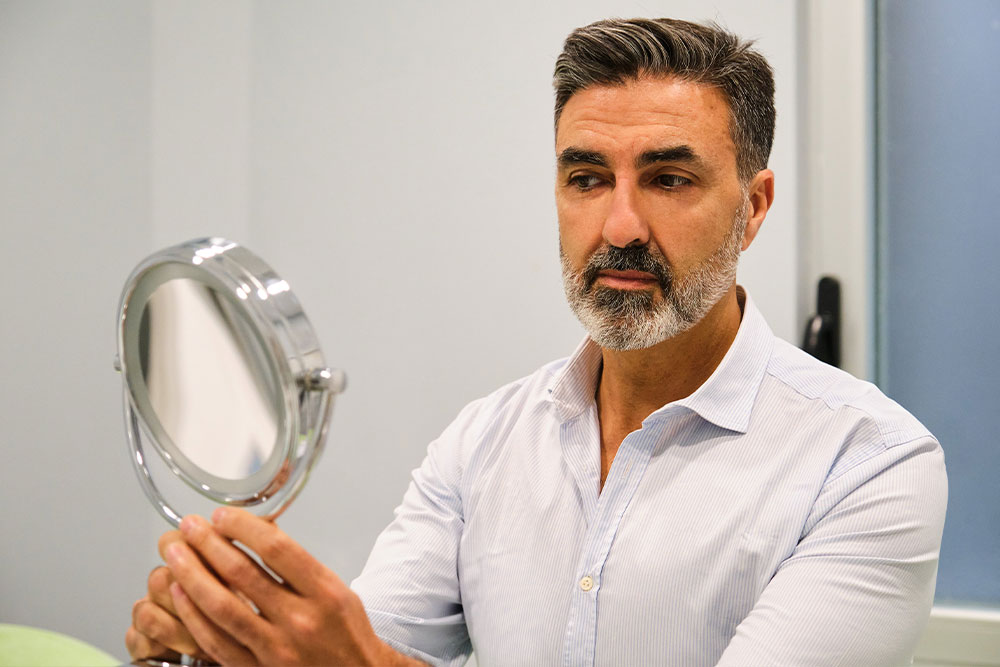
Hair transplantation requires patience. Although the follicles are placed during your procedure, the finished result develops gradually. It is normal for transplanted hairs to shed during the early stages of recovery. New hairs begin growing from the transplanted follicles over the following months. Density, texture, and overall appearance continue to mature with time. Think of hair restoration as a gradual process that follows your natural hair-growth cycle.
Myth: One Transplant Stops Hair Loss Forever
A transplant can restore hair in selected areas, but it does not necessarily stop your existing hair from continuing to thin. This is one reason long-term planning matters. Your surgeon needs to consider not only how your hair looks today but also how your hair loss pattern could progress. Preserving your donor supply and creating a hairline that can continue to look appropriate as you age may be more important than simply adding the maximum number of grafts.
Myth: Everyone Will Be Able to See the Scars
Hair transplantation does involve some scarring, but that does not mean you will be left with an obvious surgical scar. With FUE, follicles are individually extracted through very small openings, leaving tiny scattered scars in the donor area. FUT removes a narrow strip of donor tissue and leaves a linear scar that can be concealed beneath surrounding hair. The right technique depends on your donor area, graft requirements, hairstyle, hair-loss pattern, and goals.
Learn What Hair Restoration Could Look Like for You
Outdated hair transplant myths should not dictate your decision. What matters is whether transplantation makes sense for your hair loss, donor supply, anatomy, and expectations.
At his Miami practice, Dr. Anthony Bared, our double board-certified facial plastic surgeon and experienced hair restoration specialist, approaches transplantation with the same attention to proportion and natural appearance that guides his facial plastic surgery work. Whether you are considering scalp, beard, or eyebrow restoration, a consultation with Dr. Bared can help you understand your options and develop a treatment plan centered on natural-looking results.